Internal audit teams spend roughly 60% of their time on documentation and testing procedures. Only the remaining 40% goes to analysis, professional judgment, and stakeholder communication. This ratio is backwards for a function whose value lies in insight and assurance, not paperwork. Every audit cycle repeats the same pattern: assess risks, test controls, document findings, review with management, follow up on remediation. Each phase requires structured documentation that follows your department’s methodology and standards.
ChatGPT accelerates all three major audit phases: risk assessment, control testing, and finding documentation. The output follows your standard format consistently, which is especially valuable when multiple auditors work on the same engagement and findings need to be comparable across team members. Auditors report a 40% reduction in documentation time within two audit cycles when using structured prompts consistently. The quality also improves because the AI enforces consistent depth and structure across all findings, making it easier for management to compare and track issues across audit cycles.
Start with one process area such as purchase-to-pay, order-to-cash, or hire-to-retire. Master the prompts for that area over one audit cycle. Then expand to your full audit universe. Once your prompts are refined, create a shared library for your entire team so every auditor produces comparable output using the same framework.
Starting with Risk Assessment
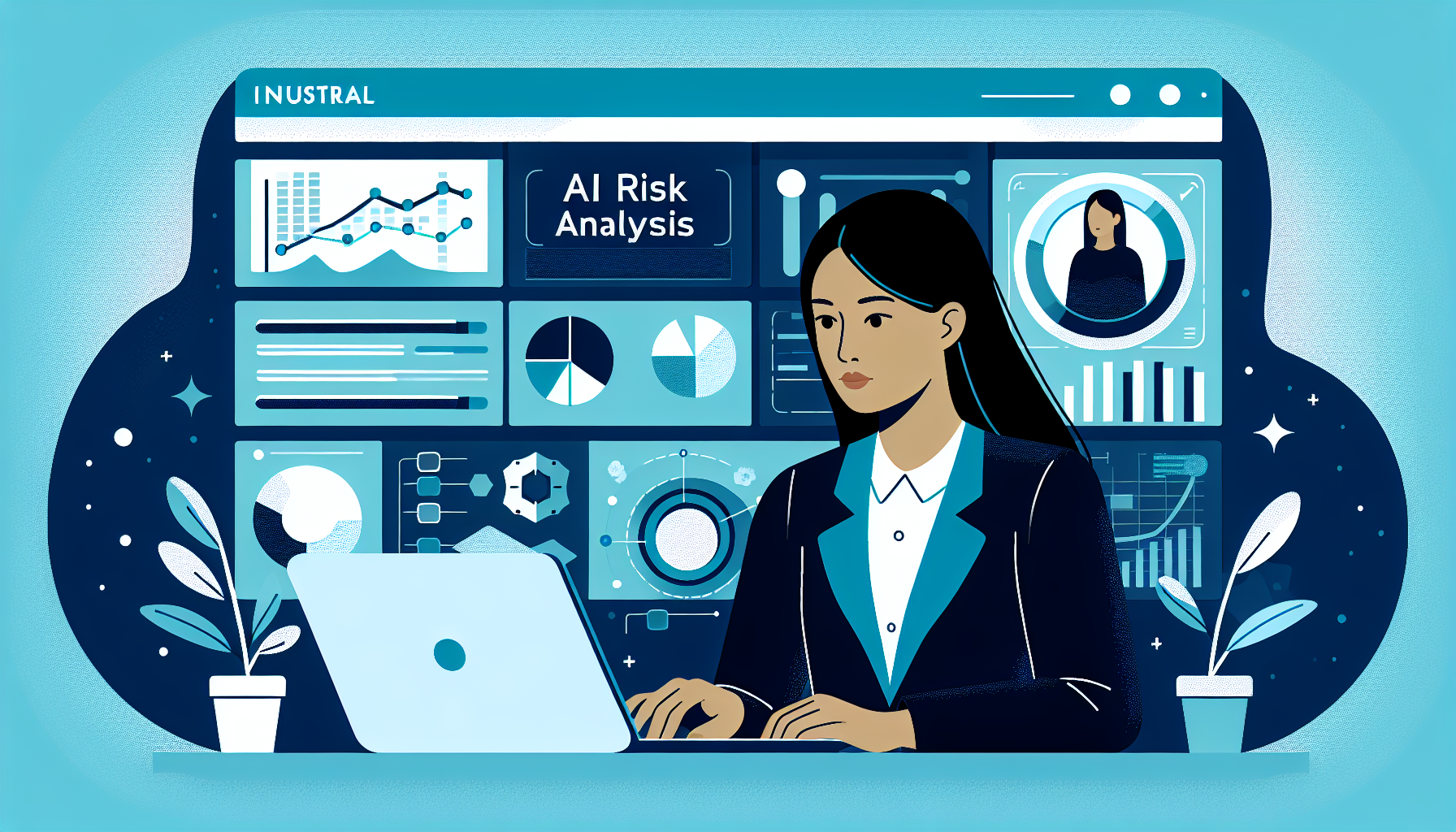
The risk assessment phase sets the direction for the entire audit. If you identify the wrong risks you test the wrong controls and miss the real issues. ChatGPT brings consistency to this phase by evaluating each process area against the same risk factors every time. Financial materiality, historical control effectiveness, recent process or system changes, management turnover, and regulatory requirements are all evaluated systematically rather than left to individual auditor judgment which varies between team members.
Prompt: Risk Assessment
Based on the attached control matrix and prior audit results covering the last three cycles, identify the top five highest-risk processes for the upcoming audit engagement. For each process area consider financial materiality in EUR, control effectiveness ratings from the last three audits with improvement or decline trends, recent process or system changes including ERP implementations, management turnover in key control roles, and inherent fraud risk based on transaction complexity and authorization levels. Recommend the appropriate audit approach for each area including controls testing if controls are designed effectively, substantive testing if controls are weak or absent, or a hybrid approach. Specify recommended sample sizes using statistical sampling principles at 95 percent confidence level.Drafting Audit Findings
The quality of an audit finding depends on clear structure and consistent depth. Every finding should include condition, criteria, cause, risk impact, recommendation, management response, and severity rating. ChatGPT enforces this structure automatically so every finding in the report meets the same standard. This consistency is particularly valuable during the annual audit committee presentation where findings from different engagements need to be compared and ranked by severity across the entire audit universe.
Prompt: Audit Finding Drafting
Draft an audit finding for the segregation of duties weakness in the accounts payable process where one person creates purchase orders, approves invoices, and processes payments. Structure the finding with seven sections: condition describing specific transactions and dates where the weakness was observed, criteria citing the relevant policy or standard that requires two-person authorization for payments over EUR 5,000, root cause analysis distinguishing between system limitation and resource constraint, quantified risk impact showing financial exposure range and likelihood, specific actionable recommendation with assigned owner and implementation timeline, placeholder for management response, and severity rating based on risk exposure and probability of occurrence.Once your prompt library is established share it with the entire audit team. Consistent prompts produce comparable findings across different engagements and different auditors. The time you reclaim from documentation goes directly to deeper analysis, fraud detection testing, and face-to-face stakeholder discussions where experienced auditors add the most value to the organization.